The Petal Index
Uncover the surprising, beautiful relationships in the botanical world. We journey beyond the visual beauty of individual blooms to explore the scientific families that define their genetic identity.
This visual encyclopedia showcases how seemingly different garden stars—like the humble Dandelion, the majestic Rose, and the fragrant Lavender—are all connected through ancient, shared ancestry. Explore the Rosaceae, Asteraceae, and Lamiaceae families through stunning imagery and clean, intuitive layouts.
Ready to see where your favorite flower truly belongs?
This website focuses mainly on three families give below:
The Rose Family
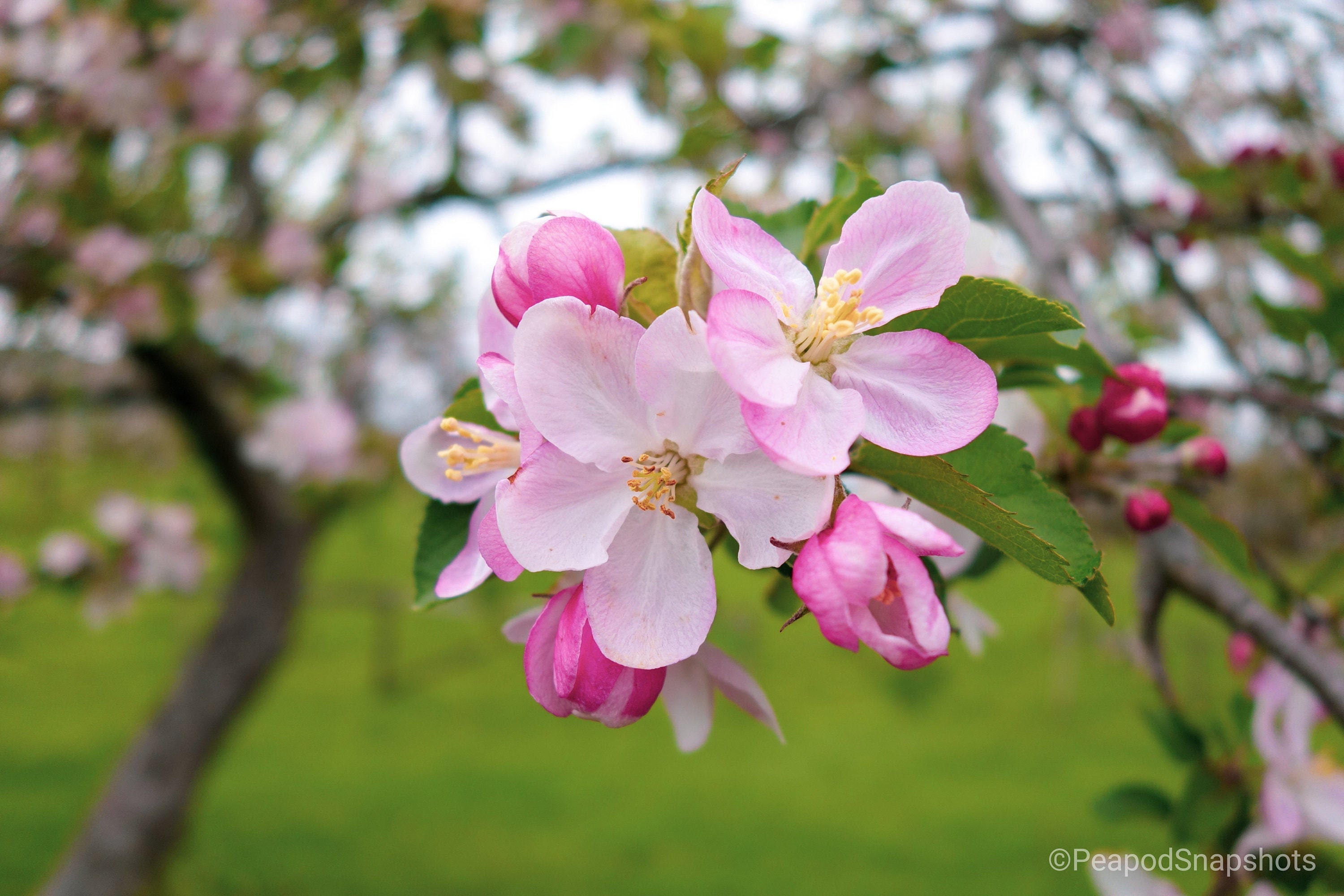
The Rosaceae, commonly known as the Rose Family, is a vast and ecologically significant family of flowering plants, encompassing over 3,000 species across more than 90 genera, with a distribution primarily concentrated in the temperate regions of the Northern Hemisphere. This highly diverse family includes everything from herbs and shrubs to large trees. The defining floral characteristic is typically a radially symmetrical flower with five sepals and five petals, along with the presence of a hypanthium—a distinctive, cup-like structure formed by the fusion of the bases of the sepals, petals, and stamens. Economically, Rosaceae is perhaps the most important temperate plant family, supplying humanity with virtually all of its major fruits, including apples, pears, cherries, peaches, plums, almonds, and strawberries. Beyond its vital role in food production, the family is also famous for its ornamental value, most notably contributing the rose (Rosa species) as one of the world's most beloved garden and cut flowers
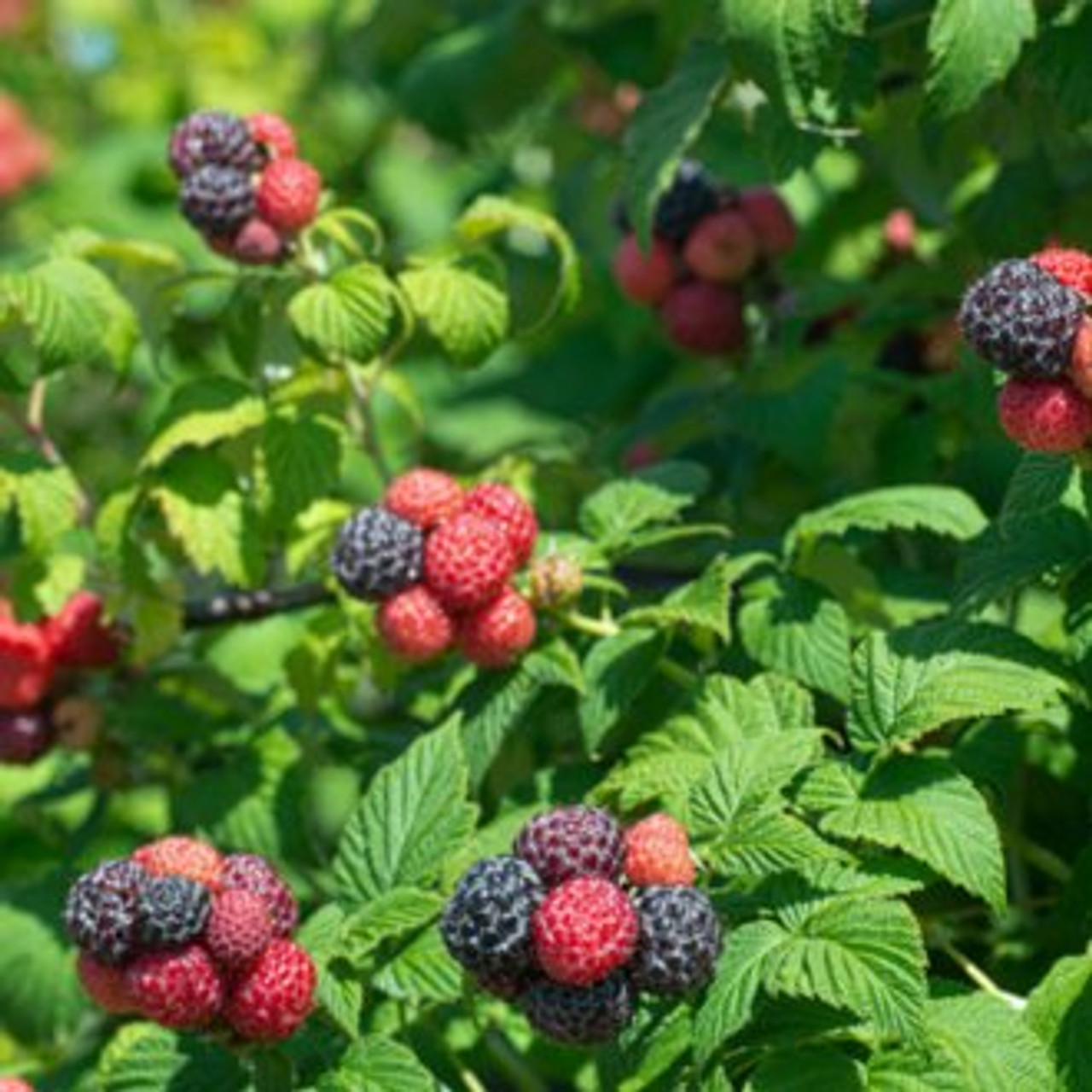
The Rosaceae is a foundational and economically crucial plant family that provides many of the world's most cherished fruits and ornamental plants. To demonstrate the tremendous diversity within this family—which ranges from stately trees to sprawling herbs—the following is a curated selection of its key members. This list features a mix of both well-known edible fruits and classic ornamental species.




The Aster Family
The Asteraceae (also known as Compositae or the Sunflower Family) is remarkably successful and one of the largest families of flowering plants globally, boasting over 23,000 accepted species found in nearly every terrestrial habitat.
Their most defining and distinctive characteristic is the capitulum, or flower head, which, though appearing to be a single bloom (like a daisy or sunflower), is actually a tight cluster of many tiny individual flowers called florets—these are typically divided into tubular disc florets in the center and often strap-like ray florets around the margin. This dense, compound structure, which is enclosed by protective bracts called phyllaries, makes pollination highly efficient and contributes significantly to the family's widespread ecological dominance. Economically, the Asteraceae is invaluable, providing widely used ornamental plants (Marigolds, Chrysanthemums), significant food crops (sunflower oil, lettuce, artichokes), and important medicinal herbs (Echinacea), underscoring its pivotal role in both agriculture and horticulture.
This list, which includes popular ornamentals as well as surprisingly common food and medicinal plants


The Mint Family
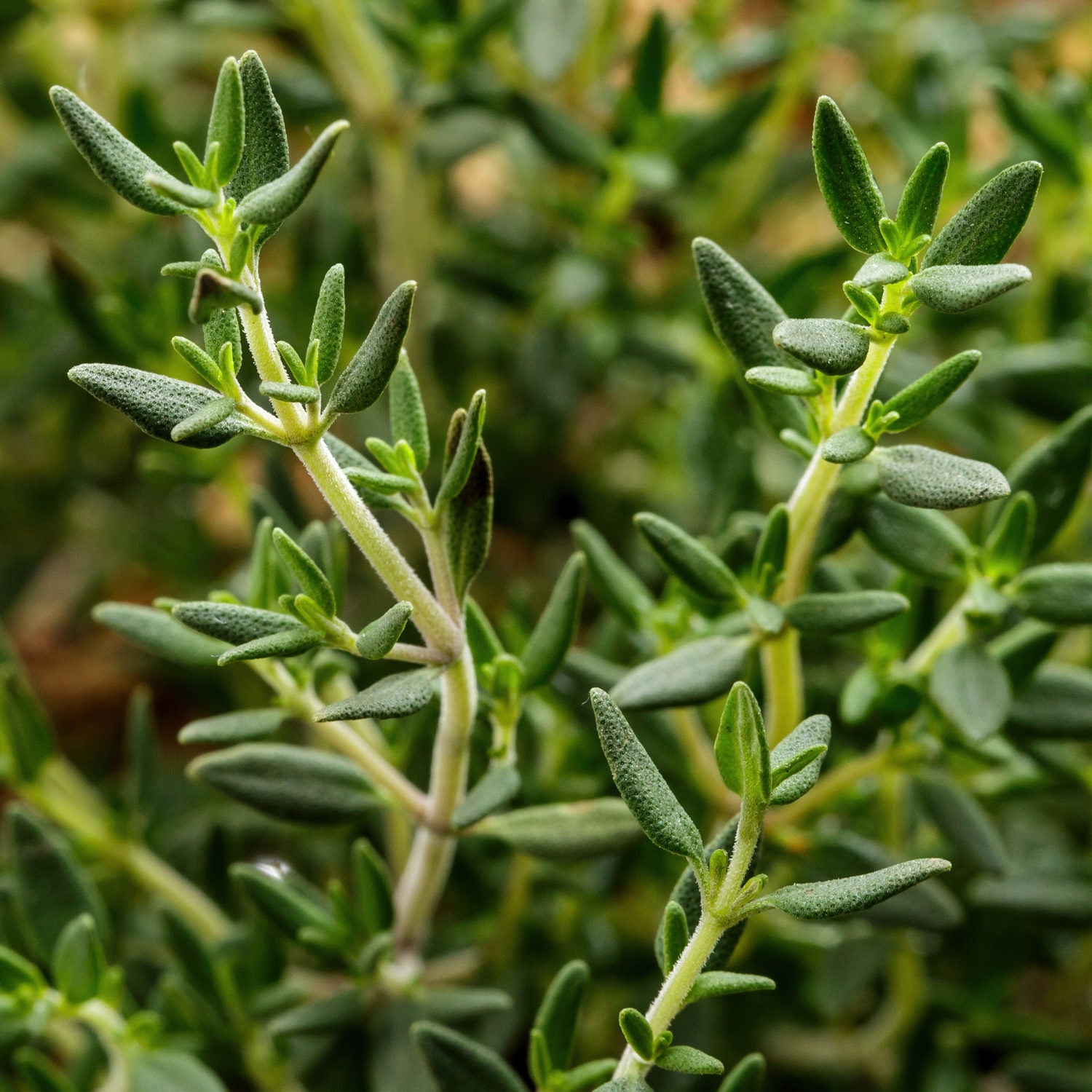
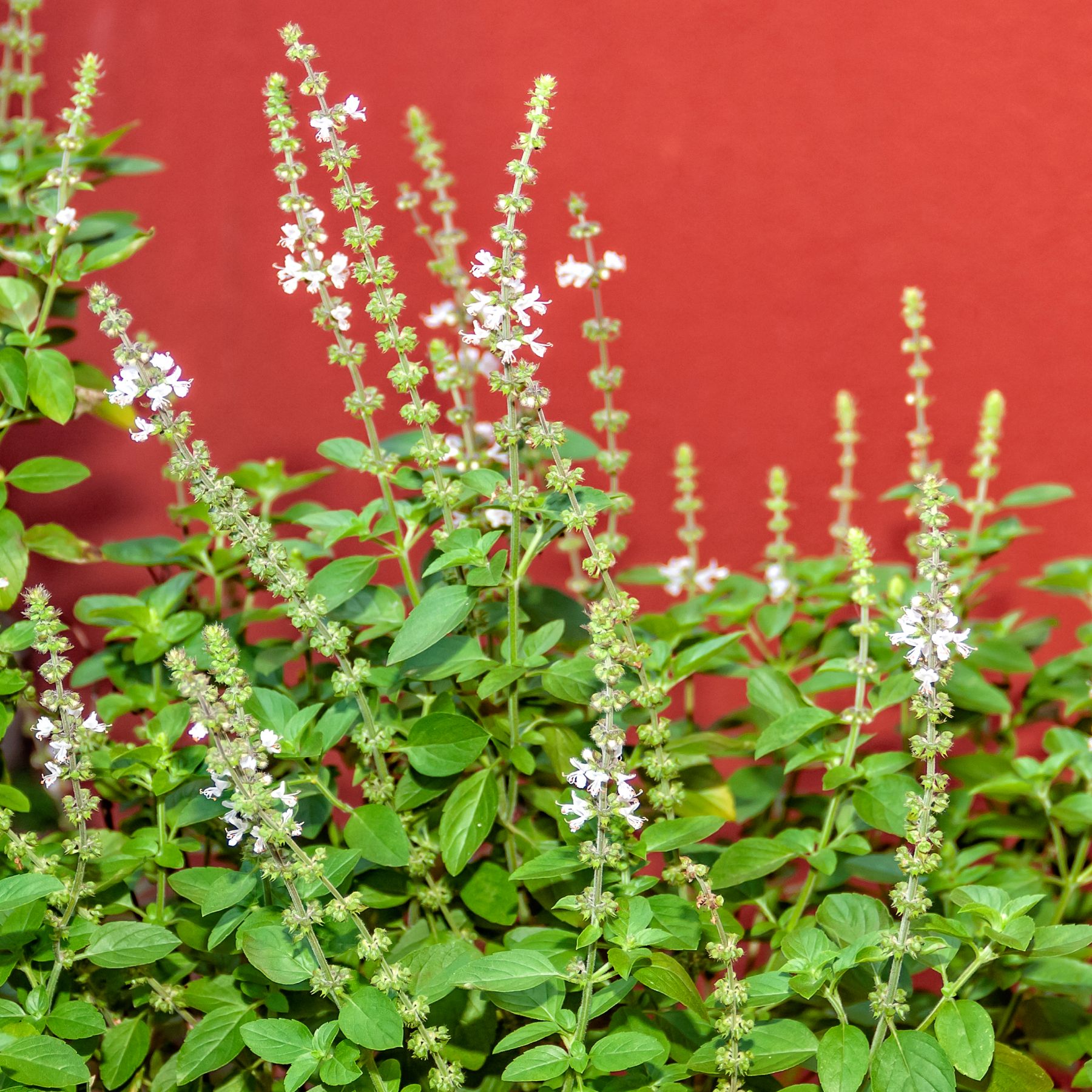
The Lamiaceae, or Mint Family, is a large and easily recognizable family of flowering plants, comprising around 7,000 species across 236 genera and distributed globally, though most diverse in the Mediterranean region. The family is instantly recognizable by a few key features: most members possess characteristic square-shaped stems (a cross-section reveals four distinct sides), oppositely arranged leaves, and highly aromatic foliage due to the presence of volatile essential oils. Their flowers are typically irregular (zygomorphic) and often feature two lips, a design optimized for insect pollination. Economically, Lamiaceae is extremely valuable, contributing a wealth of popular culinary herbs such as Mint, Basil, Oregano, Thyme, and Rosemary, as well as significant ornamental plants (like Lavender) and numerous species used in traditional and modern medicine. This combination of distinct physical traits and widespread utility makes the Mint Family one of the most important groups of aromatic plants in the world.